




In electronics manufacturing, much of the focus is usually centered on the precision of component placement. However, an equally decisive process—and frequently underestimated—is the solder reflow process. Even with perfect placement, an incorrect thermal profile can compromise the quality of the joint.
The solder reflow process defines the mechanical strength, electrical performance, and long-term reliability of the assembly. For this reason, it must be considered a critical process, at the same level as placement and inspection.
During the reflow process, the solder passes through different thermal stages that must be maintained within very specific time and temperature windows. Minimal deviations can lead to defects such as:
Controlling the appropriate thermal profile is as important as ensuring the correct alignment of the component.
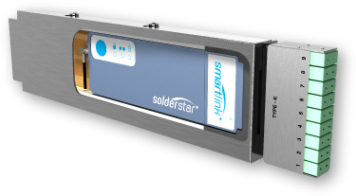
To ensure a consistent and repeatable solder reflow, it is essential to measure what is actually happening inside the oven. The thermal profiler SolderStar SLX-Series allows obtaining a precise verification of the actual thermal profile on the board, instead of depending solely on the oven's programmed temperature.
This information is key to validating that the solder reaches optimal curing conditions, reducing process variations, and optimizing energy consumption, avoiding unnecessary overheating and thermal stress on the components.
A correctly controlled thermal profile translates into greater process stability, less rework, and more consistent solder quality.
The stability of the solder reflow process also depends on the performance of the oven. Uniform thermal control is essential to ensure that all components on the board reach the correct temperature profile and to avoid defects in the solder joint.
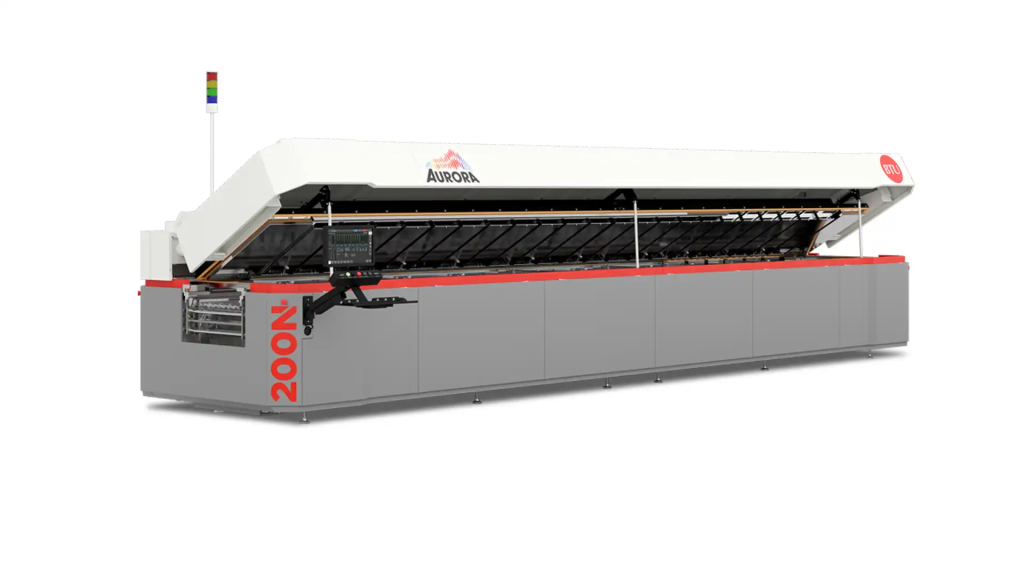
Advanced reflow ovens such as the Aurora Reflow Oven from BTU International are designed to offer high thermal uniformity, precise convection control, and energy efficiency, key factors for achieving consistent thermal profiles in SMT processes.
An oven with these capabilities allows for the execution of more stable reflow profiles, reducing process variations and improving the reliability of solder joints in electronics manufacturing.
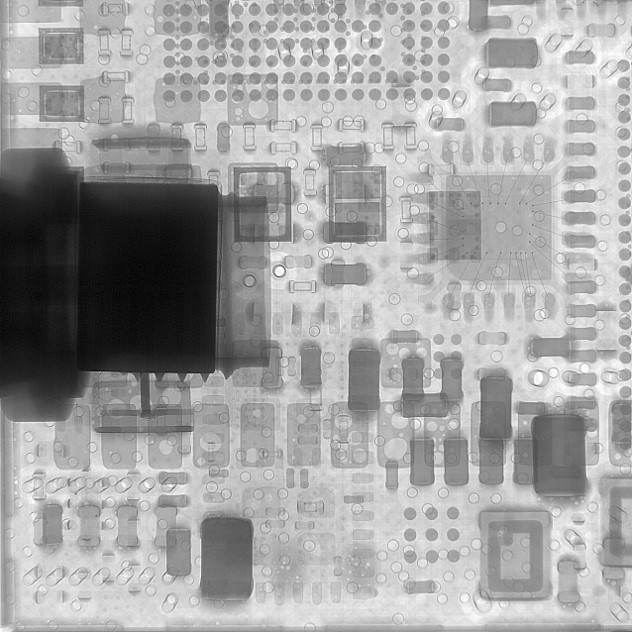
Even when the thermal profile has been verified, it is essential to confirm that the process has not generated internal defects in the solder joint. In this way, inspection becomes the final step to validate the performance of the thermal reflow.
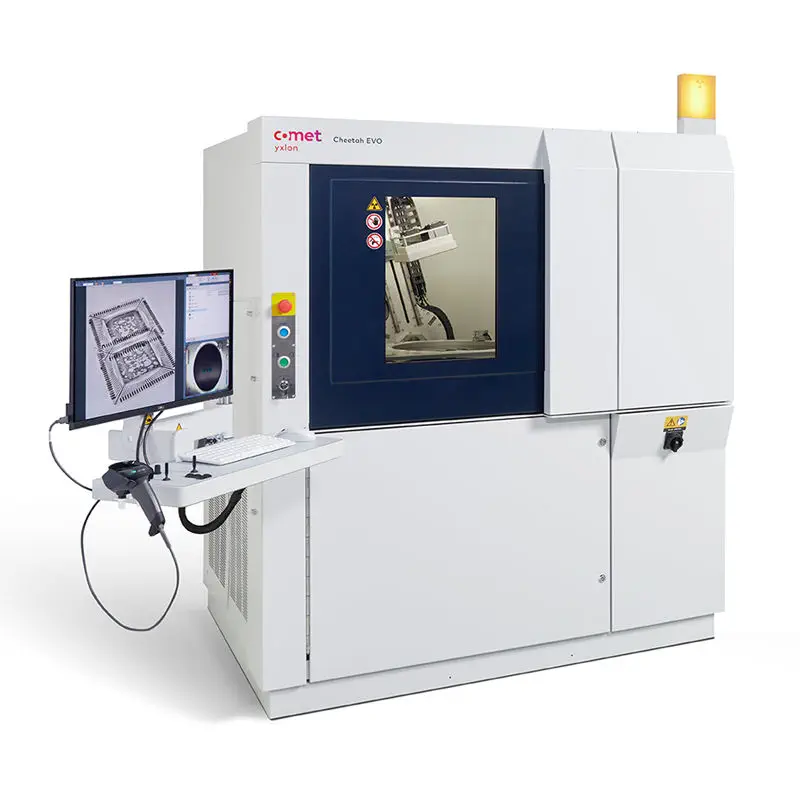
X-ray inspection systems from Yxlon, like the Cheetah EVO, evaluate the internal structure of the solder, identifying voids, cracks, or hidden defects that are not visible through optical inspection. This evaluation confirms that the thermal process was executed correctly and that the joint meets the reliability requirements of the final product.
The combination of precise thermal profile verification and a reliable inspection of the final intermetallic joint allows closing the control cycle of the soldering process. Measuring, analyzing, and validating each stage of the thermal curing reduces the risk of hidden failures and improves the robustness of the production process.
The solder reflow process is a critical process that directly impacts the quality, reliability, and performance of the electronic assembly. Precise component placement is not enough if the thermal profile is not executed and verified correctly. Measuring and controlling the reflow process allows for the reduction of variations, minimization of defects, and optimization of energy use in the oven.
Thermal profile verification with specialized tools, such as SolderStar solutions, along with the inspection of the final intermetallic joint using Yxlon X-ray technology, allows for the validation that the thermal process did not generate internal defects and that the soldering meets the required quality standards. This comprehensive approach is key to ensuring stable processes and reliable products in electronics manufacturing.