




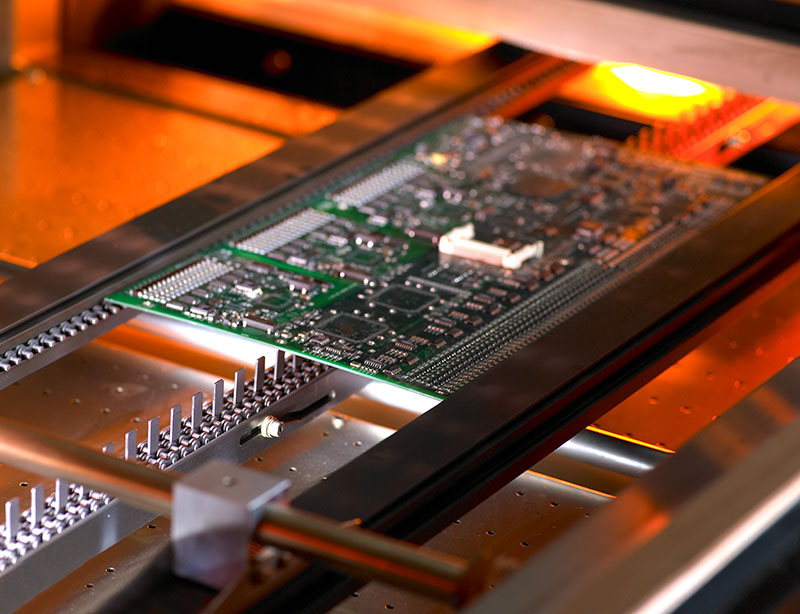
In electronics manufacturing, the reflow process is one of the most sensitive and decisive for ensuring reliable solder joints. A uniform thermal profile allows the solder paste to melt properly, wet the contact surfaces, and solidify in a controlled manner. When this balance is not achieved, defects such as cold solder joints, voids, delamination, or even thermal damage to sensitive components may appear.
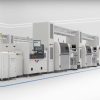
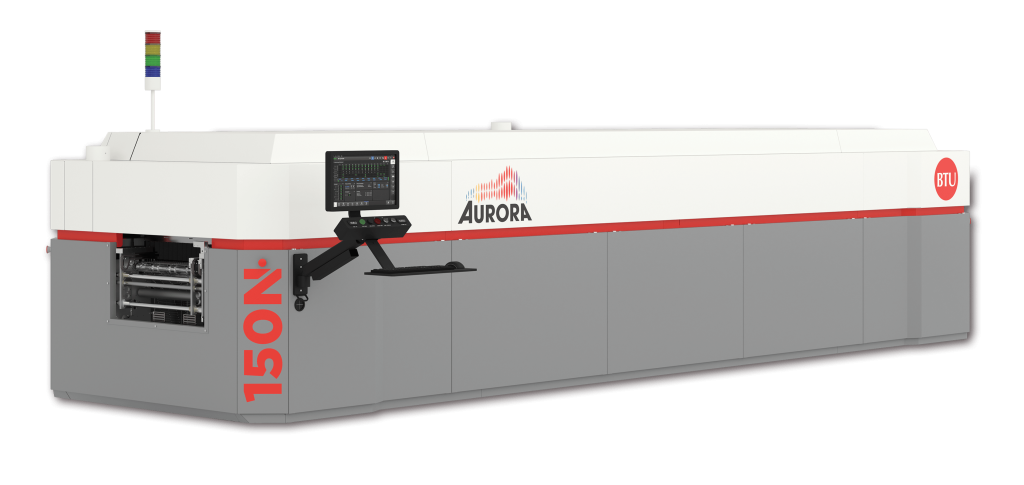
Achieving this thermal uniformity does not depend solely on the profile design, but also on the performance of the oven. Equipment with excellent temperature control and stability between zones is essential for repeating consistent results, batch after batch. An example of this is the oven Aurora from BTU International, which stands out for its ability to maintain stable and reproducible thermal profiles.
This model is now available in our demo room in Guadalajara for testing, running samples, and evaluating its performance under real production conditions.
A poorly controlled profile can cause a wide variety of defects, from fragile joints to component overheating. The most common include:
In addition to affecting the functionality of the final product, these defects increase the cost of production and can compromise the lifespan of the assembly. The thermal stability of the oven is key to avoiding them, and technologies such as that of the oven Aurora from BTU International are designed to minimize these variations.
BTU's Aurora is a state-of-the-art reflow oven designed to deliver superior thermal uniformity. With up to 24 controlled zones (12 top and 12 bottom) reaching temperatures up to 350 °C. and a total heated zone length of 3.792mm, this oven optimizes thermal control even in the most demanding assemblies.
Constant thermal profile monitoring has become an essential practice in modern SMT production lines. Relying solely on oven settings without thermal validation can lead to assumptions that silently affect quality.
With specialized tools, it is possible to capture process data in real time, compare them with ideal parameters, and correct deviations before they affect entire batches. The thermal analysis systems from SolderStar are designed precisely for that: to offer reliable, traceable, and easy-to-interpret data for making founded technical decisions.
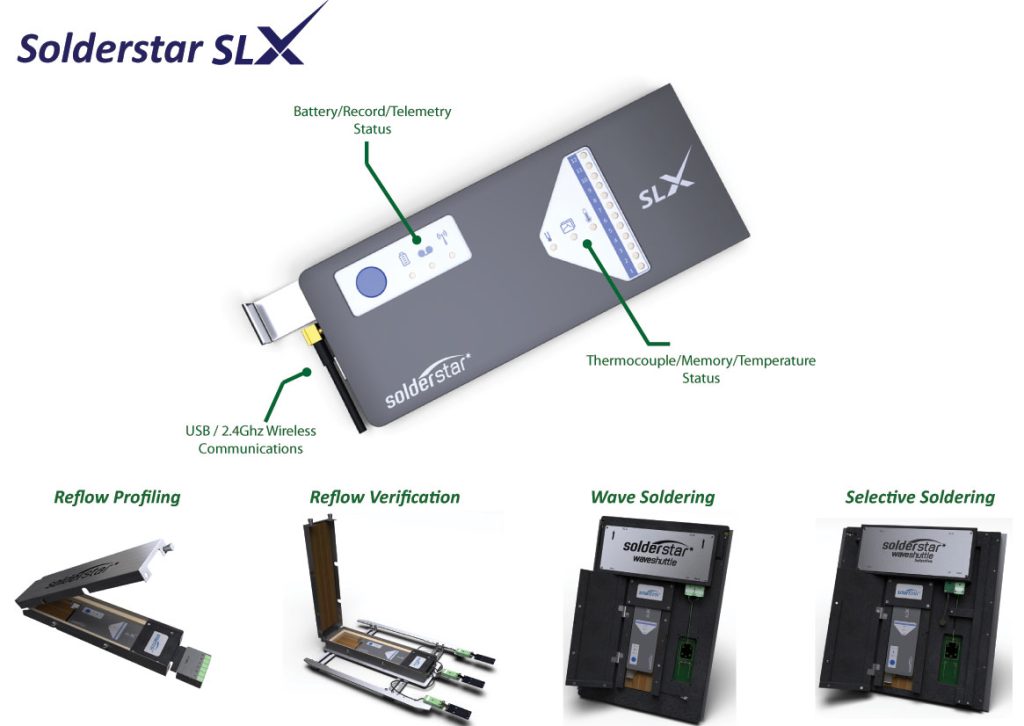
One of their standout systems is the Solderstar SLX, an accurate, robust, ultra-compact, battery-powered data logger, used to measure and record process parameters in any type of soldering.
With minimal configuration by the user, the SLX unit can be coupled to any SMARTLink thermal barrier for reflow or other process accessory, and the system auto-configures itself for data capture.
It offers 10 times faster USB downloads, 2.4 GHz telemetry options, and an accuracy of ±0.5 °C . Its high-temperature internal battery recharges in just 2 hours and allows up to 15 hours of operation.
Although it goes unnoticed, flux is a critical component that determines the quality of the solder joint, the cleanliness of the assembly, and its long-term reliability. An unsuitable flux can generate problematic residues or even cause future failures.
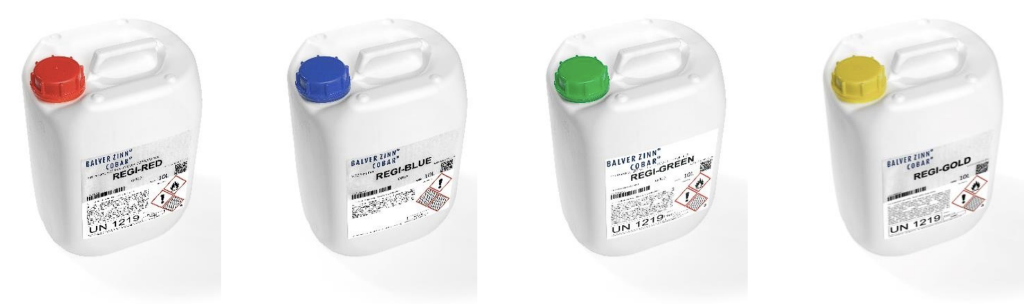
The REGI series from Balver Zinn offers specific solutions for every need of the reflow process:
Each formulation is designed to offer precise thermal activation and minimal residues, even in complex processes with multiple passes through the reflow oven. The proper choice of flux marks the difference between consistent results and recurrent problems.
Optimizing reflow is not a luxury: it is a necessity in today's electronics manufacturing. A reliable oven, precise monitoring, and quality materials can mark the difference between a stable process and one prone to defects.
In our Demo Room in Guadalajara you can see and directly test the oven Aurora from BTU, experiment with the profiling systems of SolderStar and evaluate the performance of the BalverZinn solders under your own production conditions.