






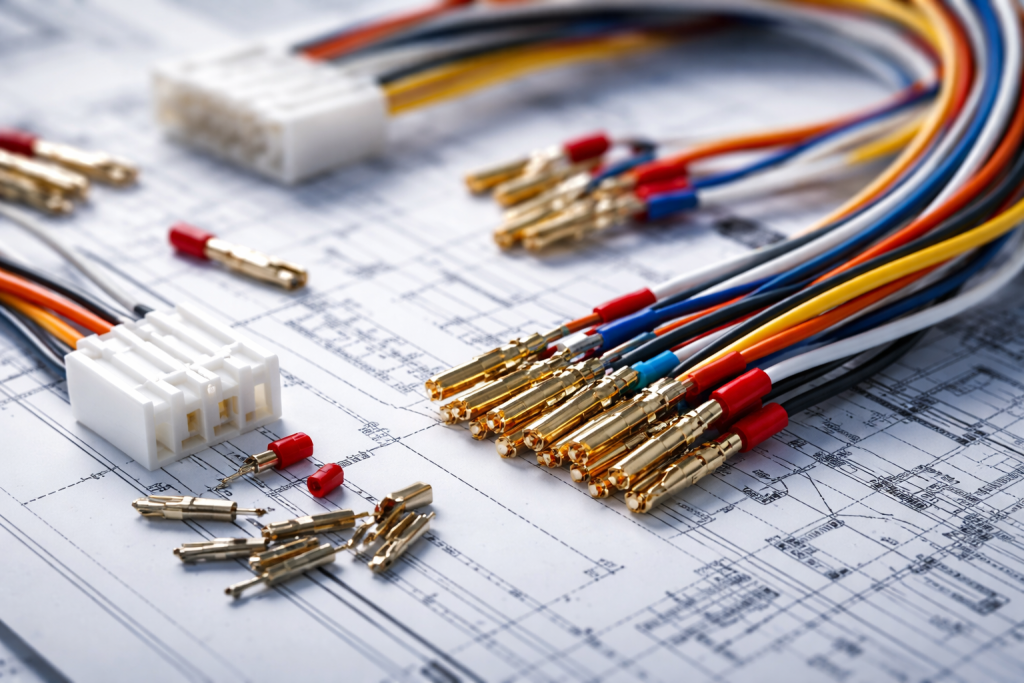
Crimping is one of the most critical points within wire harness production. A single defective crimp can lead to electrical failures, costly rework, and production line delays. For this reason, more and more manufacturers are migrating toward automated processes and integrated electrical testing that allow prevent errors right from the source.
In this context, the combination of crimping automation with Schleuniger and immediate electrical testing with Cirris becomes a key strategy to ensure quality and efficiency.
When these failures are detected late, the economic impact multiplies. Here are the equipment solutions that will help you avoid rework and reduce costs:
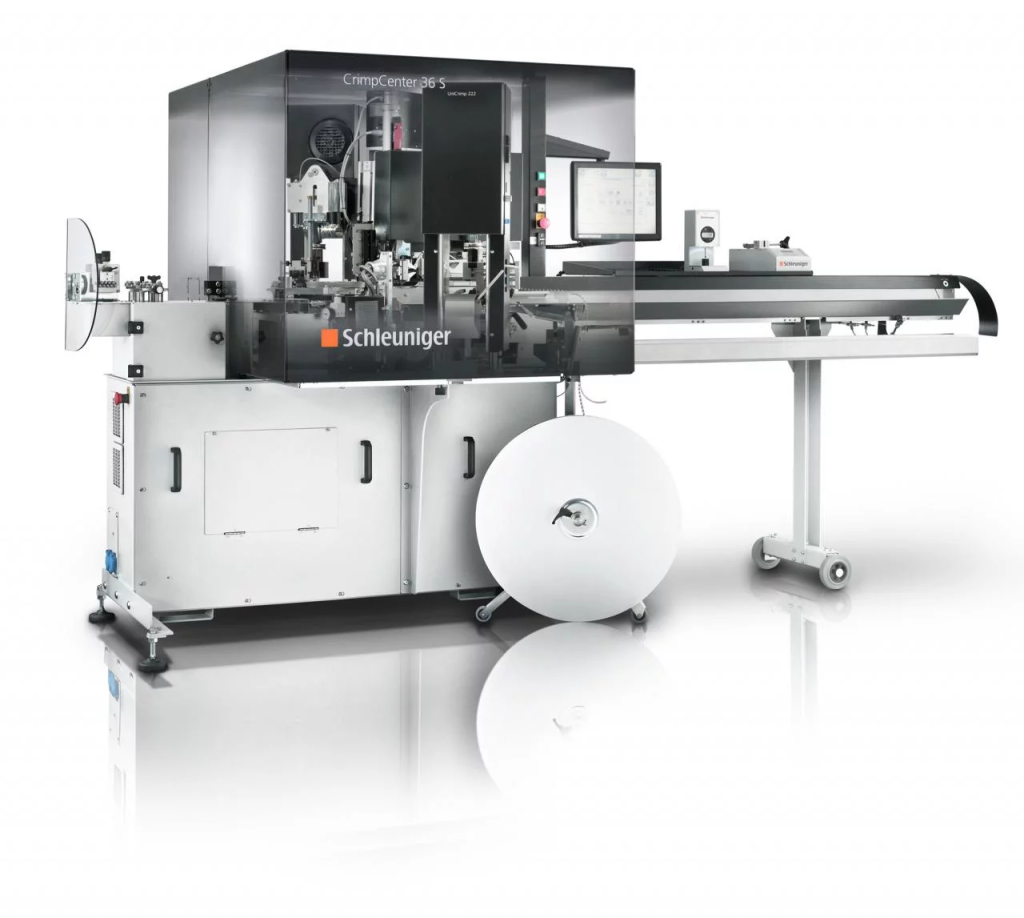
The Schleuniger CrimpCenter 36 S is designed to eliminate human variability in the most critical stages of the process: cutting, stripping, and crimping.
This fully automatic system precisely controls crimping parameters, ensuring that each terminal is assembled within defined specifications. Thanks to its constant process monitoring, the machine detects deviations in real time, reducing the probability of out-of-tolerance crimps.
By centralizing multiple operations into a single platform, the CrimpCenter 36 S not only improves crimp quality, but also increases productivity and process stability, especially in high-volume production.
Although a visually correct crimp may look acceptable, it does not guarantee that the connection meets electrical requirements. If a defective harness moves forward to the next station without validation, the cost of correcting the problem increases considerably.
This is where electrical testing stops being a final step and becomes a preventive tool.
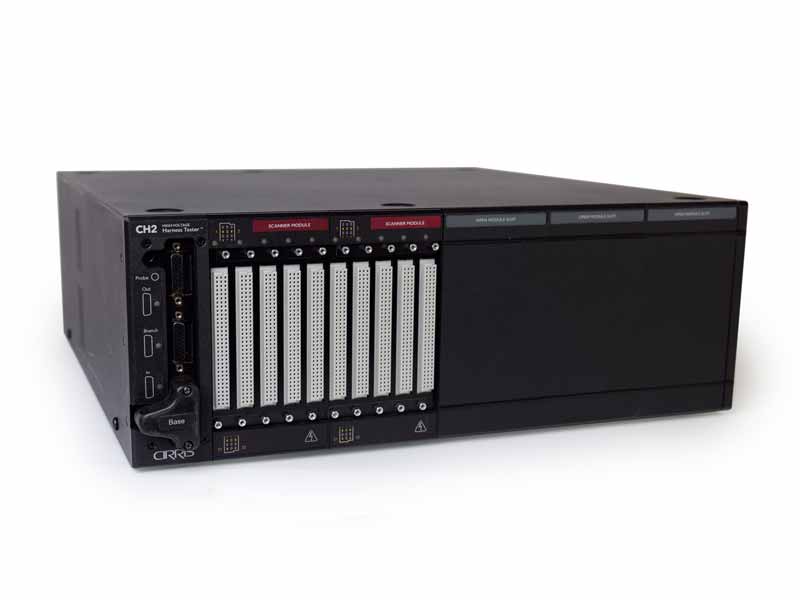
The Cirris Easy-Wire CH2 allows integrating tests for continuity, shorts, and incorrect connections immediately after connector assembly.
This equipment is designed for production environments where speed and reliability are essential. By testing each harness right after crimping, the Easy-Wire CH2 ensures that only electrically correct parts continue along the production line.
Early failure detection prevents defects from propagating, reducing rework, material waste, and downtime at subsequent stations.
Crimping errors are not always visible to the naked eye. Minimal variations in the applied force or conductor preparation can cause:
The combination of the Schleuniger CrimpCenter 36 S with the Cirris Easy-Wire CH2 creates a production flow where quality is integrated into the process, not added at the end.
This approach allows:
Instead of correcting errors, the process is designed to Instead of correcting errors, the process is designed to avoid them..
The cost of a failed crimp is reflected not only in a rejected part, but also in the cumulative impact on productivity, delivery times, and final product quality. Investing in solutions like the CrimpCenter 36 S from Schleuniger and the Easy-Wire CH2 from Cirris allows transforming harness production into a more controlled, efficient, and profitable process.
Preventing errors from the crimping stage and validating them electrically right away is the most effective way to protect quality and reduce costs in electrical harness manufacturing.