






Harness manufacturing is a process where quality is built step by step. A small error during wire cutting, a poorly crimped connection, or insufficient testing can translate into rework, production delays, customer claims, or even field failures.
That is why leading manufacturers do not just aim to produce faster, but also to control risks and defects at every single stage of the process.
Here are key preventative solutions for the most frequent harness manufacturing challenges:
One of the most frequent problems occurs during wire cutting and preparation. Length variations, measurement errors, or conductor damage during stripping can affect subsequent assembly and connection operations.
Automating wire processing eliminates much of the variability associated with manual operations.
The solutions from Komax and Schleuniger allow for high-precision, repeatable wire cutting, stripping, and preparation, helping reduce waste and boost productivity.
Main benefit: Fewer errors from the start of the process mean fewer problems in subsequent stages.
A crimp that is out of specification can lead to intermittent failures, loss of continuity, or electrical issues that are often only detected once the product is already assembled or even in operation.
The key is to implement equipment that ensures consistency and process monitoring.
The solutions from Komax and Schleuniger allow for automating crimping, monitoring critical parameters, and maintaining repeatable connection quality.
Main benefit: Higher electrical reliability and reduced connection defects.
When wires are not correctly identified, errors increase during assembly, testing, and maintenance.
In addition, many industries require full traceability to meet quality standards and regulatory compliance.
The solutions from Panduit include industrial labels, wire markers, and printing systems designed for demanding manufacturing environments, while equipment like the Komax Zeta 630 incorporate an automatic inkjet marking system that prints information directly onto the wire during production. This ensures each conductor comes out consistently identified and ready for assembly, reducing manual intervention and the risk of errors.
Main benefit: Greater control and traceability throughout the entire product lifecycle.
An electrically sound connection can still fail if it lacks proper protection.
Environmental conditions, vibration, and mechanical wear can significantly impact harness lifespan.
The use of heat shrink tubing and protective materials helps reinforce connections and increase product durability.
The solutions from Thermosleeve offer mechanical protection and electrical insulation for demanding industrial applications.
To ensure a uniform and professional application, heat guns from Master Appliance allow the shrinking process to be performed in a controlled and repeatable manner.
Main benefit: Extended harness lifespan and reliability under real-world operating conditions.
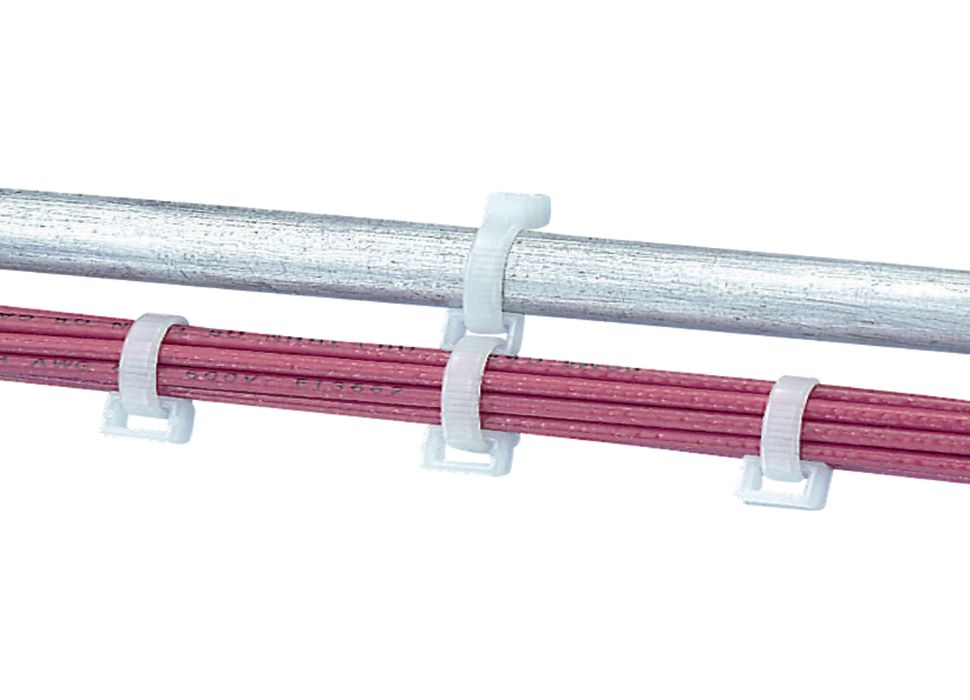
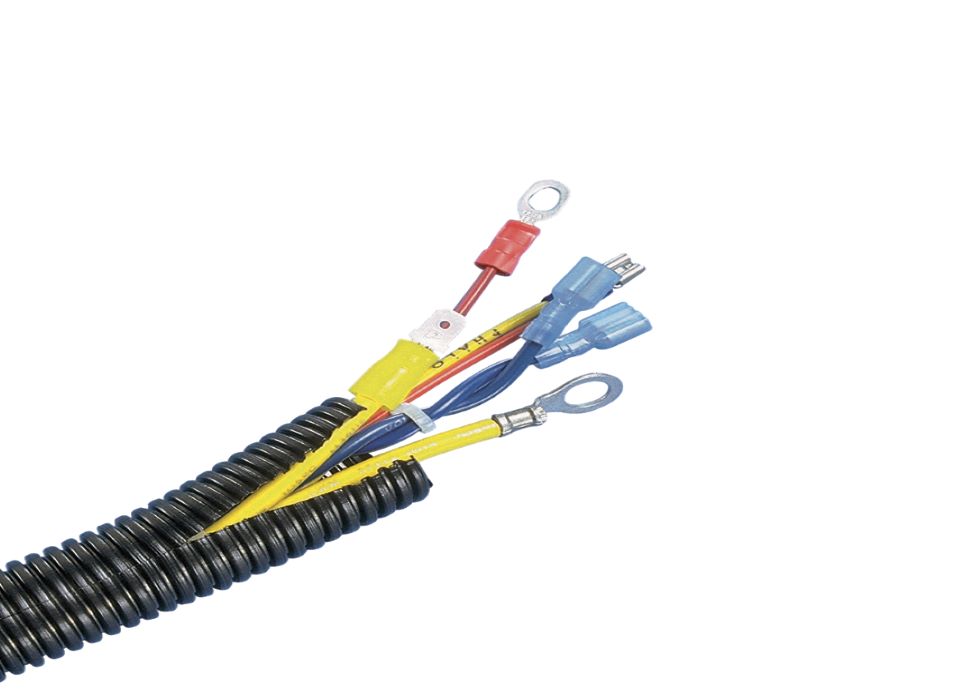
When cables are not properly organized, mechanical damage, installation errors, and increased maintenance times can occur.
Implementing cable management solutions helps maintain order, protection, and accessibility.
Panduit offers a wide range of solutions for:
Main benefit: More efficient assembly processes and better-organized products.
Many companies discover wiring problems when the product is already finished or ready for shipment.
The later a defect is detected, the higher the cost to correct it.
Implementing electrical testing allows each harness to be verified before releasing it to production or shipment.
The solutions from Cirris and Adaptronic allow testing for:
Main benefit: Detecting defects before they reach the customer.
Most defects in harness manufacturing are not isolated events. They are the result of processes with low visibility, limited control, or excessive reliance on manual operations.
Therefore, the most competitive companies are adopting technologies that allow them to improve quality right from the first operation, increase productivity, and strengthen traceability throughout the production line.
At Repstronics, we help manufacturers solve the most common harness manufacturing challenges through specialized solutions for wire processing, crimping, identification, protection, cable management, and electrical testing.
If your goal is to reduce defects, decrease rework, and increase product reliability, our team can help you identify the most suitable solutions for your process.